10 Best Books About Wealth That Actually Change How You Think
Last Updated on July 15, 2026 by Tania Grozelle
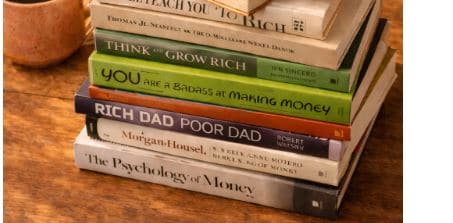
The Reading List for Women Who Are Done Playing Small With Money
Most books about money teach you how to budget, cut lattes, and track spreadsheets. That’s fine — but it’s not transformation.
The books on this list do something different. They change how you think about wealth — what it is, what it’s for, and why most people never build it no matter how hard they work. If you’re in midlife and starting to ask bigger questions about money, freedom, and what’s actually possible from here, this is the reading list for you.
And if you’re also thinking about how to build wealth — not just understand it — you might want to start with 7 Income Streams You Can Start to Make Money Online in 2026. But first, the books.
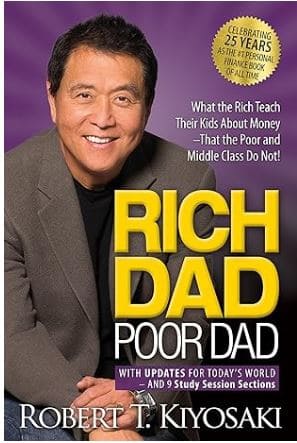
1. Rich Dad Poor Dad — Robert Kiyosaki
The book that introduced millions of people to the idea that the rules they were taught about money were wrong. Kiyosaki’s core argument — that assets put money in your pocket while liabilities take it out — sounds simple, but it genuinely rewires how you see income, employment, and financial independence. It’s not a perfect book, but it’s a necessary one. Read it for the mindset shift, not the specific strategies.
Best for: Anyone who grew up with a “get a good job and save” money script and is ready to question it.
Get it on Amazon →
2. Think and Grow Rich — Napoleon Hill
Written in 1937 and still one of the most recommended wealth books in existence. Hill interviewed hundreds of the most successful people of his era and distilled their thinking into a philosophy of desire, belief, and persistence. It’s dense, old-fashioned in places, and occasionally over-the-top — and yet the core ideas hold up. The chapter on the “mastermind” principle alone is worth the read.
Best for: Anyone drawn to the mindset and philosophy of wealth rather than just the mechanics.
Get it on Amazon →
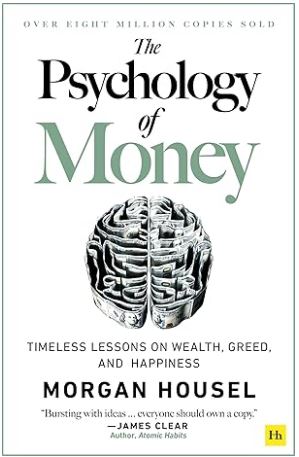
3. The Psychology of Money — Morgan Housel
This is the wealth book of the last decade. Housel’s argument is that financial success has less to do with intelligence or strategy and more to do with behavior — how you handle fear, greed, time, and uncertainty. It’s one of the most readable, genuinely wise books on this list. If you only read one book about money this year, many people would argue it should be this one.
Best for: Anyone who wants a modern, behavior-focused take on why people succeed or fail financially.
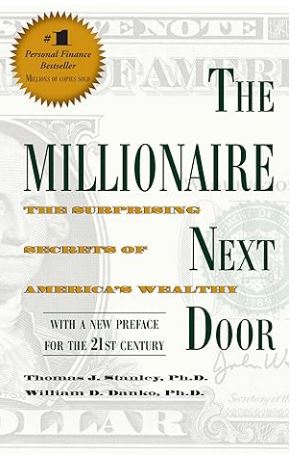
4. The Millionaire Next Door — Thomas Stanley
A landmark study based on actual research into how wealthy people in America live, think, and spend. Spoiler: it’s not what you see on Instagram. Stanley’s findings are counterintuitive and deeply practical — wealth is built quietly, through discipline and consistency, not flash. This book is a reality check and a permission slip at the same time.
Best for: Anyone who thinks wealth is about income level rather than habits and choices.
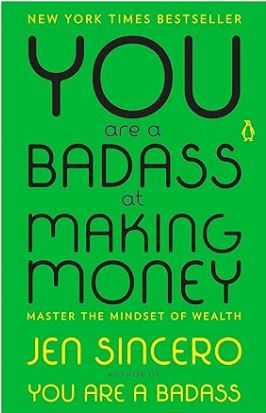
5. You Are a Badass at Making Money — Jen Sincero
Sincero writes the way your most direct, no-nonsense friend talks — and that’s exactly why this book works. She tackles the money blocks, the self-worth tangles, and the subconscious stories that keep smart, capable women from building real financial lives. It’s part mindset book, part kick in the pants, and it’s genuinely fun to read. If this resonates, you might also appreciate What Freedom Really Means: It’s Not a Place, It’s a Mindset.
Best for: Women who know they’re capable of more but keep getting in their own way around money.
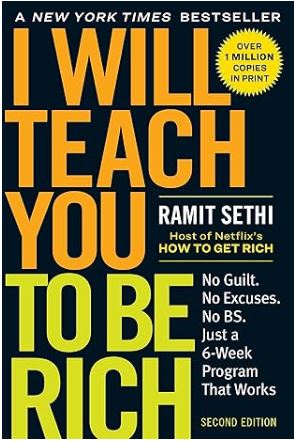
6. I Will Teach You to Be Rich — Ramit Sethi
The practical counterweight on this list. Sethi is direct, occasionally blunt, and focused on systems — automating savings, optimizing accounts, and building wealth through consistent action rather than willpower. If you want the mechanics to match the mindset work, this is where to go. For a real-world application of that thinking, check out how a nonfiction publishing portfolio can generate over $2,000/month on Amazon KDP — systems thinking in action.
Best for: Anyone ready to move from philosophy to action and set up the actual systems.
7. Die With Zero — Bill Perkins
A genuinely different kind of wealth book. Perkins argues that optimizing to die with the most money is a losing strategy — that the goal is to convert your wealth into experiences and impact while you’re actually alive to enjoy them. For women in midlife, this book can feel like a quiet revolution. It reframes what you’re building toward and why. Speaking of which — retirement as we knew it is a broken model, and Perkins makes a compelling case for what to do instead.
Best for: Anyone in their 40s, 50s, or 60s rethinking what financial freedom is actually for.
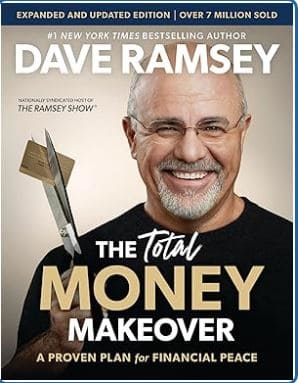
8. The Total Money Makeover — Dave Ramsey
Ramsey’s approach is debt-elimination focused and deeply disciplined — and it works for a lot of people. You may not agree with everything he teaches (his investment philosophy is limited and his tone can grate), but his baby steps framework has helped millions get out of debt and build a financial foundation. Worth reading as a baseline even if you evolve beyond it.
Best for: Anyone carrying significant debt who needs a clear, structured path forward first.
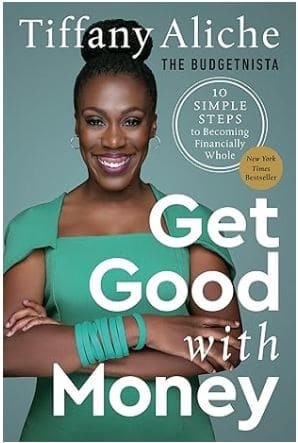
9. Get Good with Money — Tiffany Aliche
Aliche — known as The Budgetnista — builds on her own story of financial collapse and recovery to create one of the most practical, accessible wealth books written for women. Her ten-step framework is concrete and achievable, and her voice is warm, direct, and encouraging. This is a book that makes you feel like financial stability is genuinely within reach.
Best for: Women who want a practical, step-by-step approach from someone who’s lived the hard version of the journey.
10. Where to Start: The Science of Getting Rich — Freedom Uncovered Edition
Every book on this list has something valuable to offer. But if you want to understand the foundational philosophy behind all of it — the original thinking that influenced Napoleon Hill, inspired generations of wealth teachers, and still holds up over a century later — start here.
Wallace Wattles wrote The Science of Getting Rich in 1910, and the original text is in the public domain. But it’s dense, dated in language, and can be hard to absorb in its raw form. The Freedom Uncovered Edition was created specifically for women in midlife reinvention — with modern context, reflective prompts, and a practical lens that connects Wattles’ principles to the reality of building income and freedom in the second half of life. Read more about the Freedom Uncovered Edition here.
This isn’t a book about budgeting or investment accounts. It’s a book about the thinking that has to come first — before any strategy works.
Get your copy of The Science of Getting Rich: Freedom Uncovered Edition →
Which of these books has changed how you think about money? Drop it in the comments — I’d love to know what’s on your reading list.
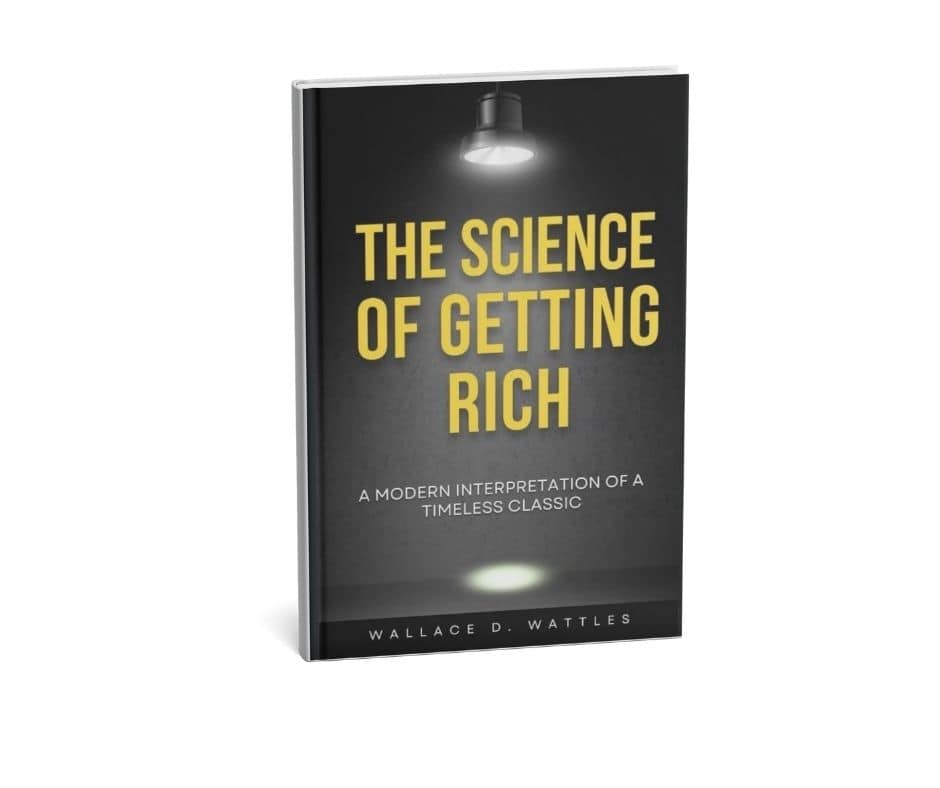
AVAILABLE ON AMAZON!
The Science of Getting Rich – A modern interpretation of a timeless classic
Which of these books has changed how you think about money? Drop it in the comments — I’d love to know what’s on your reading list.